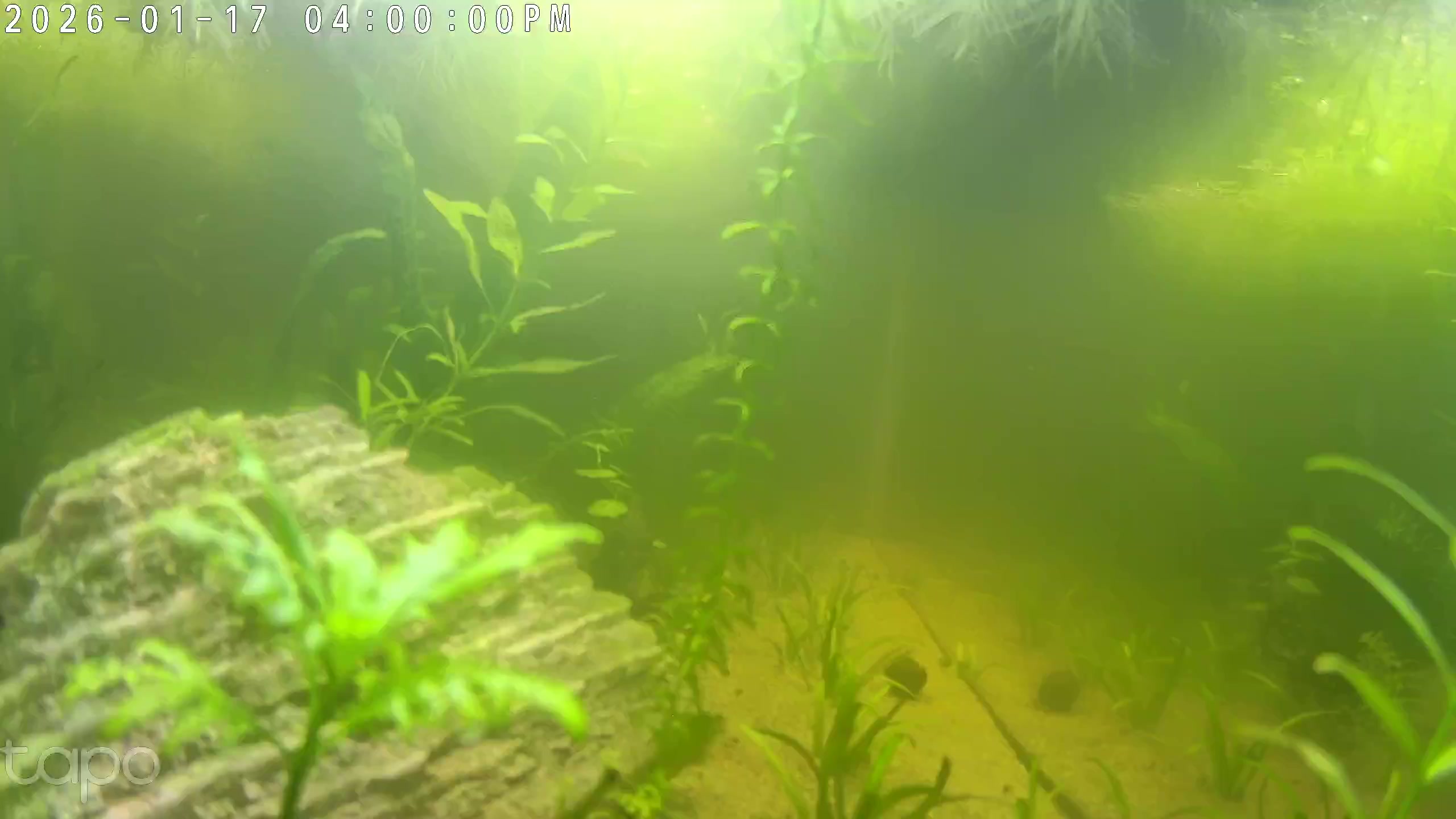
This post covers events from January 10th (Day 58). Life got busy, but the fish didn’t mind waiting for their blog debut.
After 58 days of cycling, waiting, and watching green water bloom, we finally added fish to the tank. Just not the ones we planned.
The Plan vs. Reality
Remember our carefully researched stocking plan? Pygmy Corys first, then Ember Tetras, then Cherry Shrimp?
The pet store had other ideas.
What we wanted:
- 6 Pygmy Corydoras ($2.99 each)
- 8 Ember Tetras ($3.49 each)
What they had:
- Neither. No ETA on either species.
What we got:
- 10 Neon Tetras
We stood in the fish aisle for ten minutes, debating whether to wait. But after 58 days of staring at an empty tank through green water, patience had run its course. The Neons were healthy, active, and reasonably priced. We made the call.
Meet the Neons
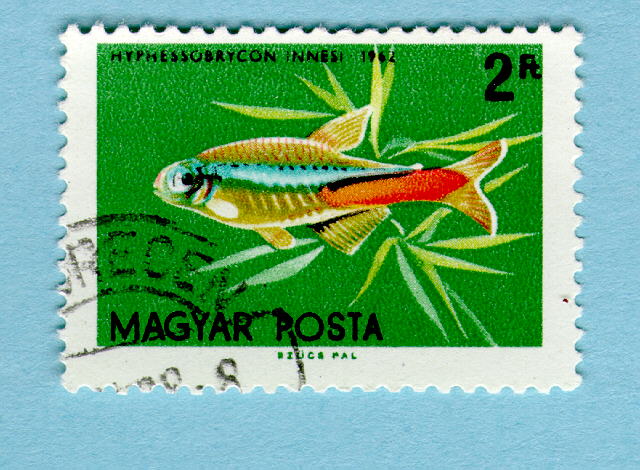
Neon tetra - that iconic blue and red stripe. Photo: FishBase
Ten Paracheirodon innesi are now exploring their new 20-gallon home. They schooled tightly during acclimation, then gradually spread out to investigate every corner of the tank.
Why Neons work:
- Hardy community fish (perfect for a first addition)
- Love soft water (our 3 dGH is ideal)
- Active mid-level swimmers
- Classic for a reason—that blue and red stripe never gets old
The tradeoff:
- Larger than Ember Tetras (~1.5" vs 0.8")
- More likely to snack on baby shrimp
We can still add Cherry Shrimp later. Adult shrimp will be fine with Neons, and with our heavy plant cover, enough babies should survive to maintain a colony. It just won’t grow as fast as it would with the tiny Ember Tetras.
The Green Water Update
Plot twist: the blackout didn’t actually clear the green water.
When we wrote the Day 51 post, we thought it had worked. The water looked better than the “pea soup” of Day 47. But over the following days, it became clear that we still had a significant bloom. Better visibility, yes. Clear water, no.
So we went nuclear: UV sterilizer.
The UV sterilizer is now running 24/7. As water passes through, the UV light kills the suspended algae cells. Within 3-7 days, the water should clear completely.
Why we added fish anyway:
- Green water doesn’t harm fish (it’s actually nutritious—fry breeders cultivate it)
- Parameters are perfect (0 ammonia, 0 nitrite, 0-5 nitrate)
- The cycle has been stable for over three weeks
- We were tired of waiting
The fish don’t care about the green tint. We can barely see them, but they’re happily swimming around in their algae smoothie.
Water Parameters
| Parameter | Result |
|---|---|
| Ammonia | 0 ppm |
| Nitrite | 0 ppm |
| Nitrate | 0-5 ppm |
| Temperature | 75°F |
Perfect conditions for adding fish. The cycle has proven rock-solid through a two-week absence, a blackout, and now a UV sterilizer running continuously.
Plant Progress
Not everything is murky news. The plants are thriving:
- Dwarf Sagittaria is sending out runners—new strands popping up from the substrate across the foreground
- Water Lettuce still covering half the surface (24+ plants)
- Stem plants reaching toward the light
- Amazon Sword has some dark spots, but we’ll assess once the water clears
The green water hasn’t hurt the plants at all. If anything, they’re competing with the suspended algae for nutrients, which should help clear things up faster.
What We Learned About Green Water
Our original theory blamed the Day 24 fertilizer entirely. But looking back, the bloom didn’t appear until Day 47—three weeks later. The real trigger was a combination of factors during our two-week trip:
| Factor | What happened |
|---|---|
| Evaporation | Lost 3 gallons → concentrated nutrients |
| Pump failure | Intake above water line → no circulation |
| Snail explosion | 24 → 60+ → more waste and nutrients |
| No intervention | Two weeks for bloom to multiply unchecked |
The fertilizer may have contributed stored nutrients, but the conditions during our absence created the perfect storm.
Prevention going forward:
- Keep water topped off
- Maintain circulation
- Control snail population
- Don’t overfeed fish (new habit to build)
- Keep UV sterilizer as backup
Current Livestock
| Species | Count | Status |
|---|---|---|
| Neon Tetras | 10 | NEW! Exploring the tank |
| Nerite snails | 2 | Active, grazing |
| Bladder snails | ~20+ | Population controlled |
| Ramshorn snails | Several | Stable |
| Limpet snails | 10+ | Stable |
| Copepods | Many | Thriving |
Next Steps
This week:
- Establish feeding routine (small amounts, once daily)
- Test water in 2-3 days (confirm cycle handles new bioload)
- Monitor UV sterilizer progress
- Enjoy actually having fish to watch (even through the green haze)
Once water clears:
- Turn off or reduce UV sterilizer
- Assess plant health (especially that Amazon Sword)
- Consider Cherry Shrimp addition
Maybe someday:
- Pygmy Corys or other bottom dwellers (if they ever show up at the store)
The Milestone
Fifty-eight days. That’s how long it took from filling the tank with water to adding the first fish.
- Days 1-35: Cycling (with detours through nitrite plateaus, plant losses, and replacement)
- Days 36-51: Two-week trip (with green water bloom)
- Days 52-57: Recovery and waiting for stock
- Day 58: Fish.
Was it worth the wait? Ask us again once we can actually see them through the water.
Update: One Week Later (Day 65)
It’s now January 17th, and the UV sterilizer has been running for a full week. The difference is noticeable.
The water still has a green tint, but we can see through it. The coral hardscape is visible, the stem plants are distinct shapes instead of blurry shadows, and—most importantly—we can actually watch our fish swim.
The Neons have settled in beautifully. They school together when startled, then spread out to explore. They’ve figured out the feeding routine and race to the surface when we approach the tank.
The UV sterilizer is doing its job. We’ll keep it running until the water is fully clear, then dial it back.
Status: Day 65 - Neons thriving - Water clearing - UV sterilizer still running