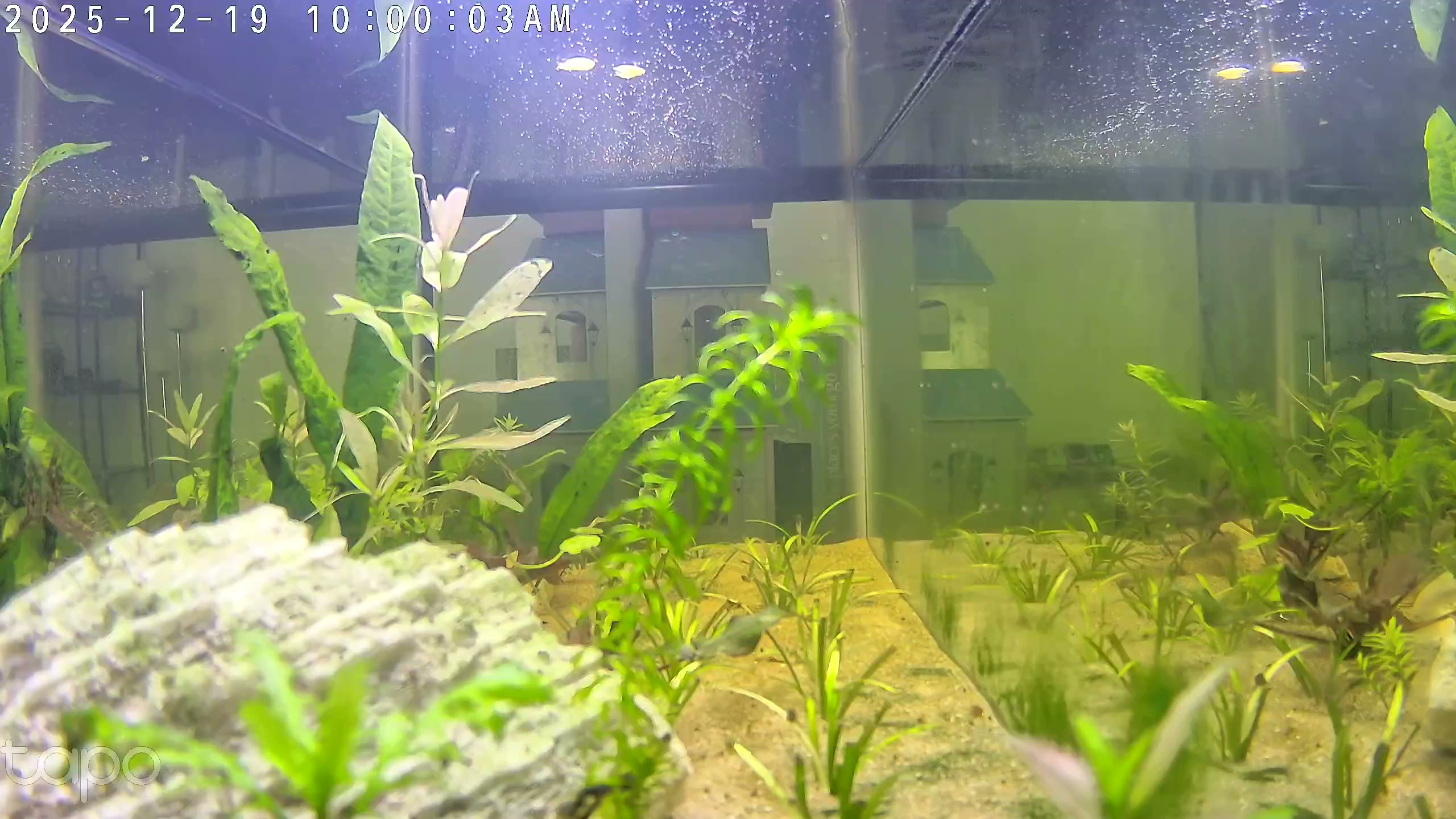
The hitchhiker snail population continues to grow—and we finally have a concrete stocking plan with real prices from the local fish store.
The Snail Census
We did another count today. The numbers keep climbing:
| Species | Day 30 | Day 33 | Day 36 |
|---|---|---|---|
| Bladder snails | ~6 | 24+ | 40+ |
| Ramshorn snails | 2 | 2 | several |
| Limpet snails | 0 | 0 | ~5 |
| Nerite snails | 3 | 3 | 3 |
Forty bladder snails. All tiny, all hungry, all working.
Meet the Hitchhikers
Bladder Snails (Physella acuta)
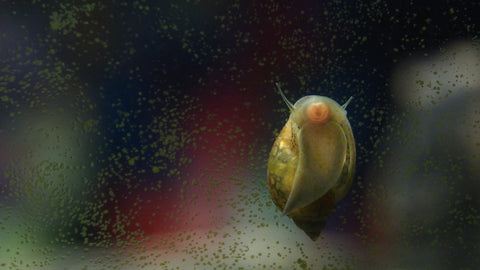
Bladder snail - note the sinistral (left-handed) shell spiral.
The most prolific of our hitchhikers. Bladder snails are small (up to 15mm), air-breathing freshwater snails with distinctive left-handed shell spirals. They’re considered “pest snails” by many aquarists, but we prefer to think of them as free labor.
What they eat: Algae, biofilm, decaying plant matter, leftover fish food, dead organisms
Why we’re keeping them: They’re voracious cleaners. With our algae bloom still lingering from the fertilizer incident, 40+ hungry mouths are exactly what we need.
The catch: They breed prolifically when food is abundant. Our plan: let them work now, cull the breeding-sized adults later.
Ramshorn Snails (Planorbidae)
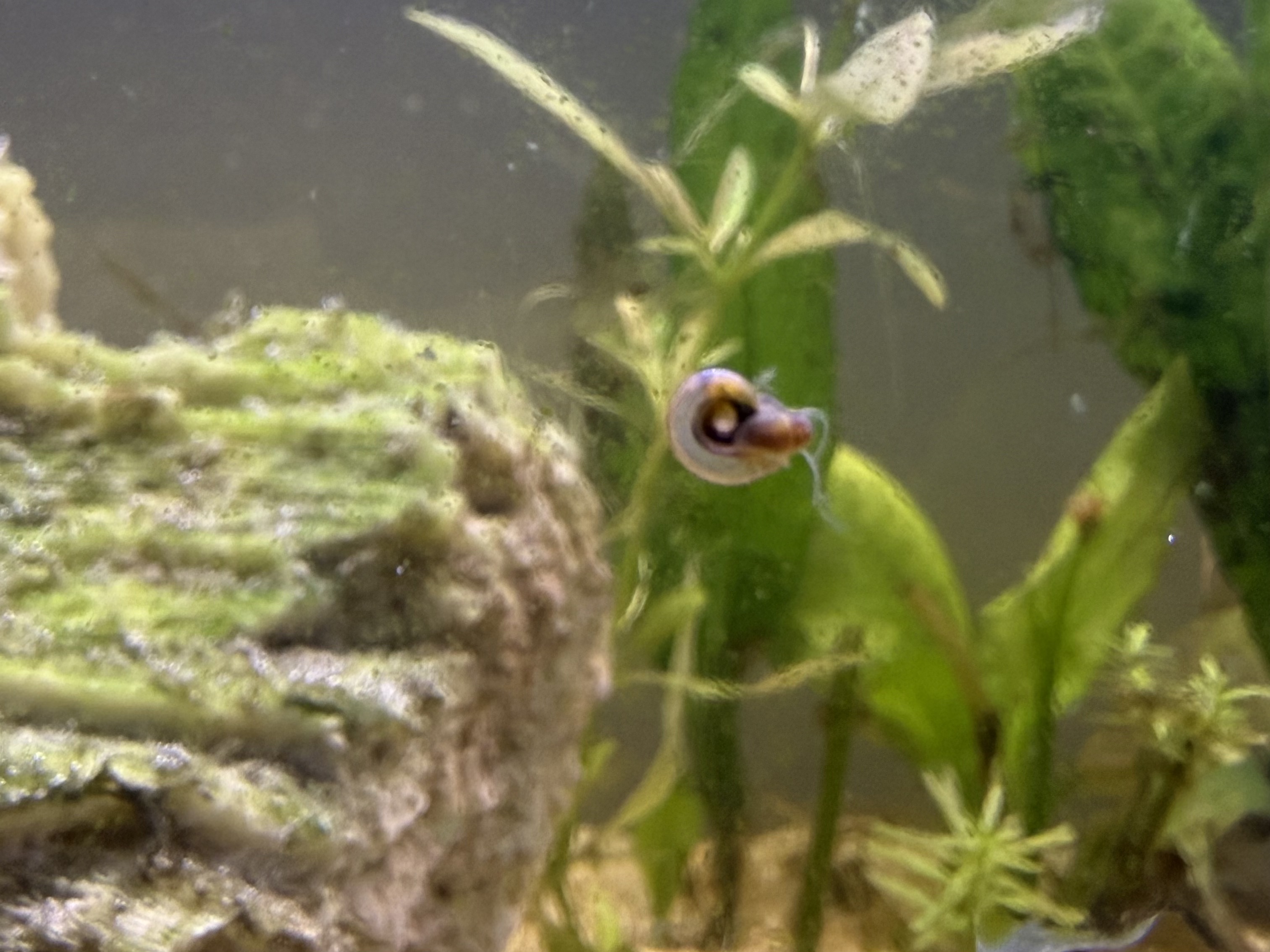
Ramshorn snail showing the characteristic flat, spiral shell.
Named for their flat, coiled shells that resemble a ram’s horn. We have several babies, likely Planorbella species that hitchhiked in on our replacement plants.
What they eat: Same as bladder snails—algae, biofilm, detritus. They’re particularly good at eating soft algae off plant leaves without damaging the plants.
Breeding: Slower than bladder snails. They’re hermaphrodites but generally need a partner to reproduce. Population explosions are less common.
Why we like them: Some aquarists actually buy these. The red and blue color morphs are quite attractive. Ours are the standard brown/tan wild type.
Freshwater Limpets (Ancylus or Ferrissia species)
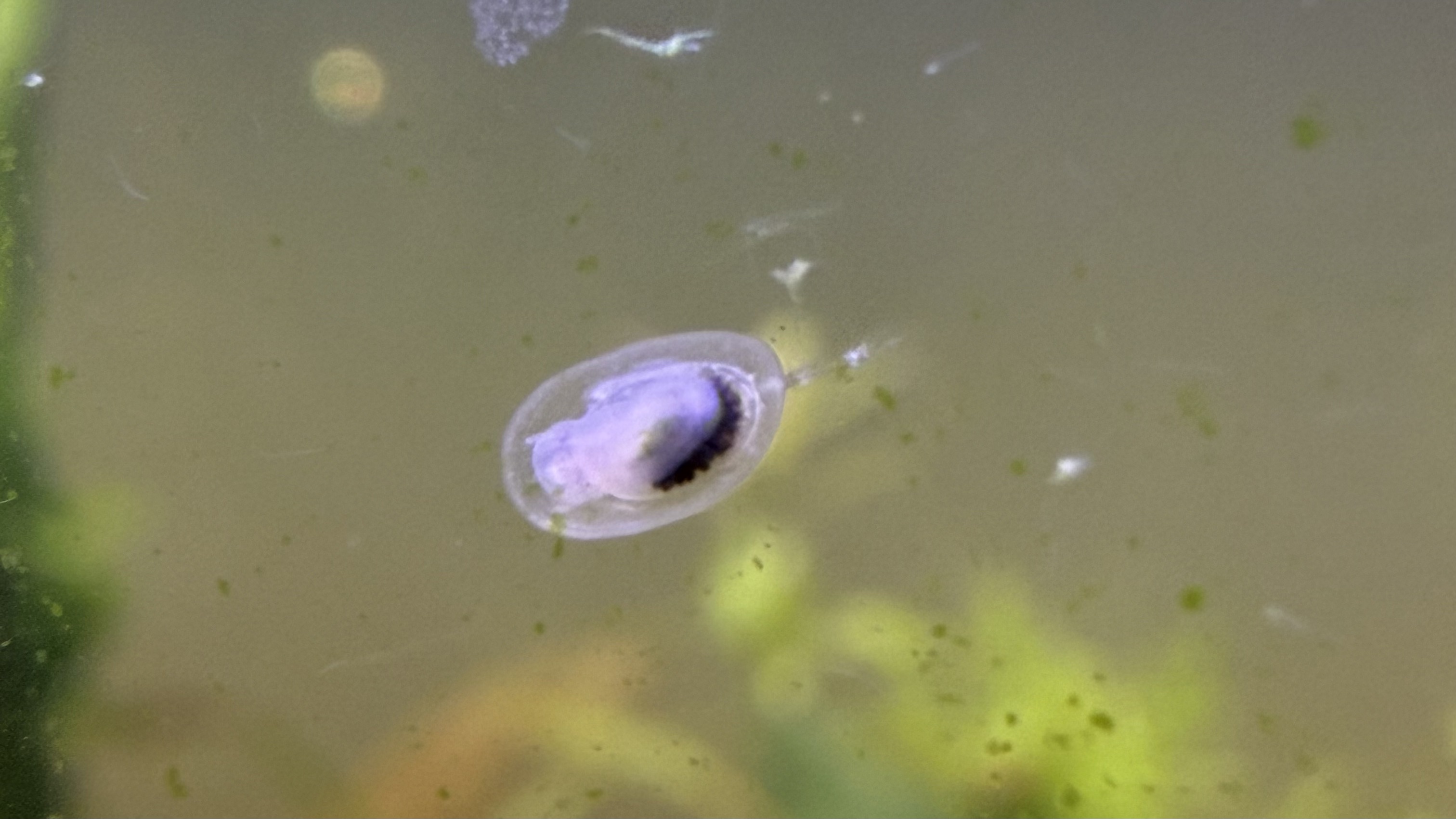
Freshwater limpet with its distinctive cone-shaped shell.
Our newest discovery—tiny cone-shaped snails clinging to the glass. Unlike the coiled shells of bladder and ramshorn snails, limpets have simple cap-like shells.
Size: Very small, typically 3-7mm. They stay tiny.
What they eat: Algae scraped directly off hard surfaces (glass, rocks, equipment).
Population: Self-limiting. Limpets don’t explode in population like bladder snails. They’re the most “set and forget” of our hitchhikers.
Nerite Snails (Neritina species)
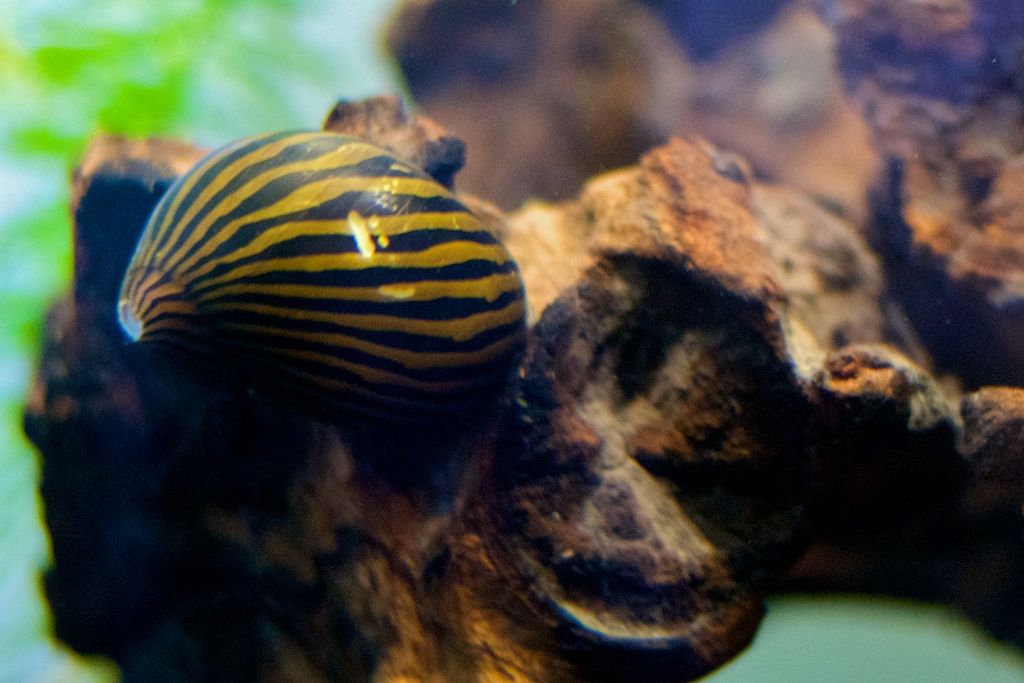
Zebra nerite snail - one of the most popular aquarium algae eaters. Image: Wikimedia Commons, CC BY-SA
Our only purchased snails. We added three Nerites on Day 13—they’ve been troopers through the entire cycling process, including the scary 5.0 ppm nitrite plateau.
Why Nerites are special:
- Best algae eaters in the hobby—they’re relentless
- Can’t breed in freshwater—eggs won’t hatch without brackish water
- Long-lived—2-3 years with good care
- Attractive—ours have tiger-stripe patterns
The downside: They lay small white eggs on hard surfaces. The eggs won’t hatch, but they’re unsightly. We’ve learned to live with them.
The Future Fish
With prices confirmed at the local store, here’s what’s coming to the tank:
Ember Tetras (Hyphessobrycon amandae)
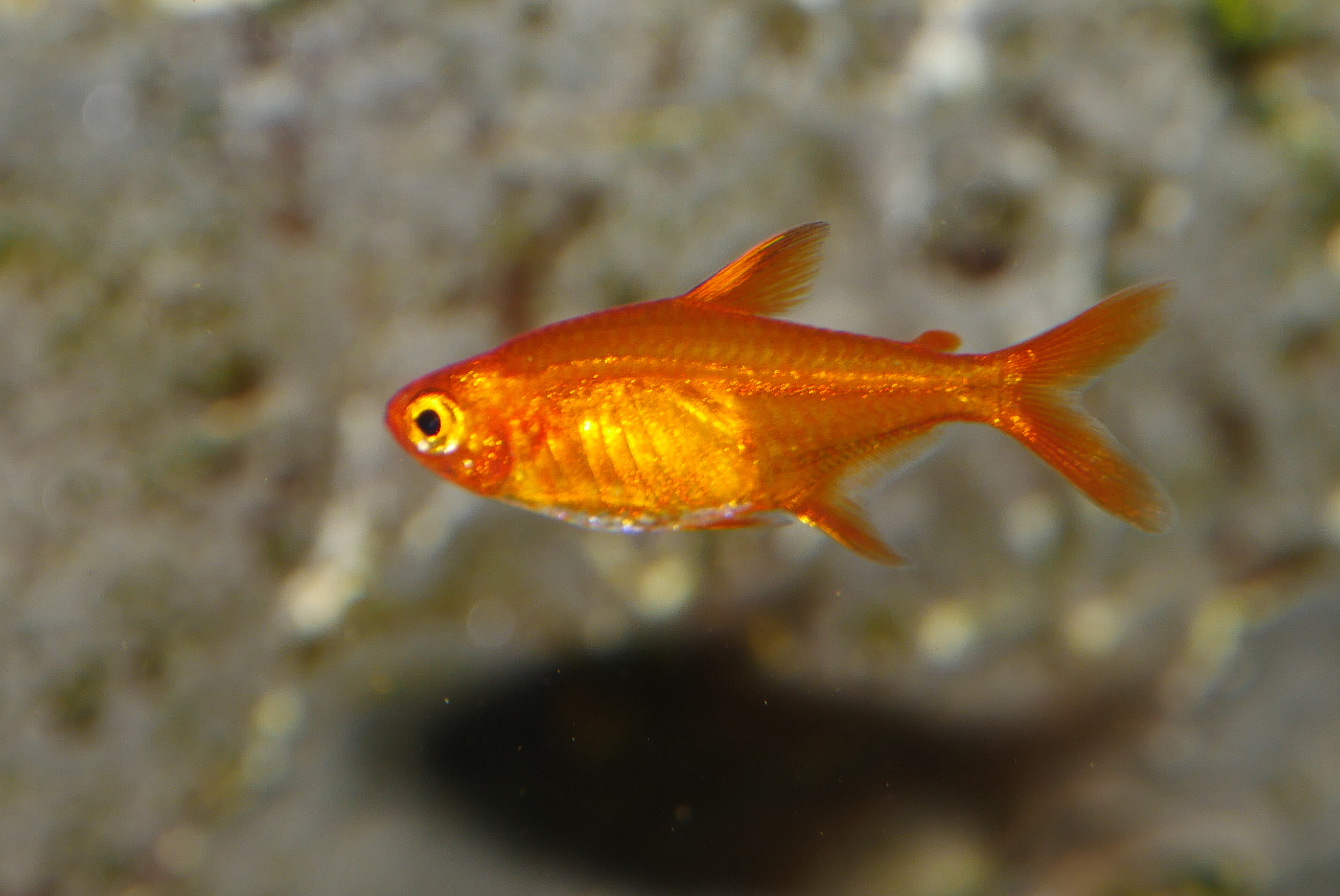
Ember tetra - tiny orange-red jewels perfect for nano tanks. Image: Klaus Rudloff, CC BY-SA 4.0
These tiny (2cm) Brazilian natives will be our mid-water schooling fish. Their orange-red coloration will pop beautifully against the green plants.
Why Ember Tetras:
- Perfect size for a 20-gallon—small but visible
- Peaceful—won’t bother shrimp or each other
- Hardy—tolerant of a range of parameters
- Active schoolers—8+ fish will display natural schooling behavior
- Affordable—$3.49 each at our local store
Our plan: 8-10 fish, added 1-2 weeks after the Pygmy Corys settle in.
Pygmy Corydoras (Corydoras pygmaeus)
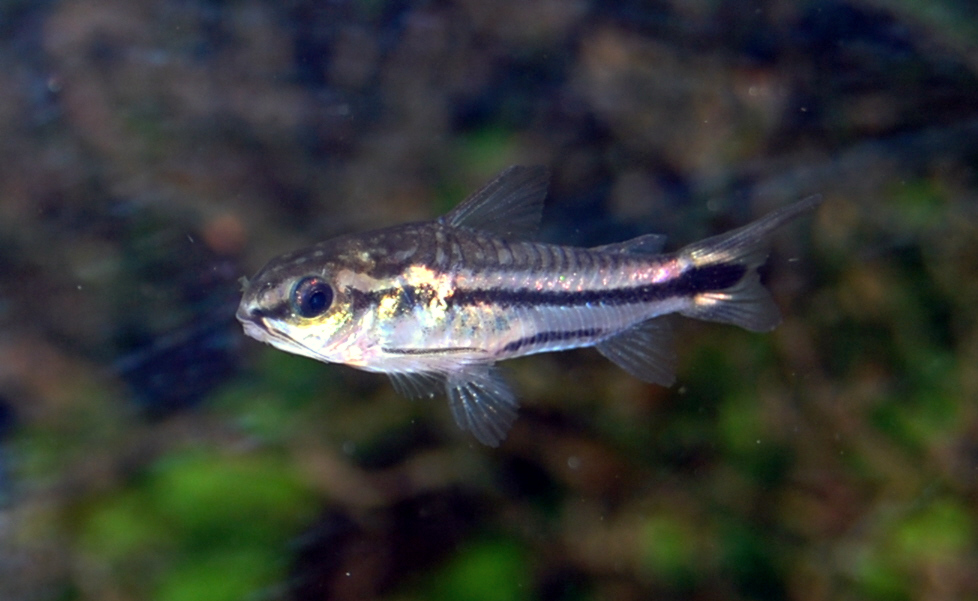
Pygmy cory - one of the smallest catfish species in the hobby. Image: Wikimedia Commons
The world’s tiniest catfish (barely 1 inch fully grown). These bottom-dwellers will add life to the substrate level alongside our shrimp.
Why Pygmy Corys:
- Adorable—they’re like tiny submarines scooting along the bottom
- Social—they school with their own kind and sometimes with other small fish
- Peaceful—completely shrimp-safe
- Active—unlike many corys, they swim in the water column, not just on the bottom
Why 6 instead of 4: Pygmy Corys are shy. In groups of 4, they often hide. In groups of 6+, they feel secure enough to display natural behavior. The extra $6 (at $2.99 each) is worth it.
Our plan: Add these first, before any other fish. Let them claim their favorite spots and settle in before the more active Ember Tetras arrive.
Cherry Shrimp (Neocaridina davidi)
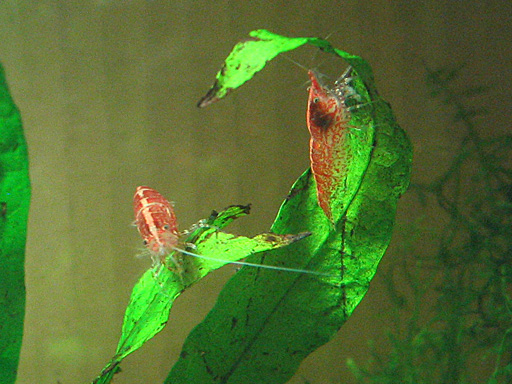
Red cherry shrimp - the most popular freshwater shrimp in the hobby. Image: Stevencaller, CC BY-SA 4.0
The crown jewels of our cleanup crew. These bright red shrimp will add color while constantly grazing on biofilm and algae.
Why Cherry Shrimp:
- Stunning color—bright red against green plants is striking
- Excellent cleaners—they never stop foraging
- Will breed—unlike Nerites, they’ll establish a self-sustaining colony
- Shrimp-safe tankmates—Ember Tetras and Pygmy Corys won’t hunt adult shrimp
The math on breeding: Start with 10, expect 20-30+ within 2-3 months. Some babies will be eaten by fish, but enough survive to grow the colony. The heavy planting provides hiding spots.
Our plan: Add last, after the tank has been stable with fish for a few weeks. Shrimp are more sensitive to parameter swings than fish.
Updated Stocking Plan
| Species | Quantity | Price | Total |
|---|---|---|---|
| Ember Tetras | 8 | $3.49 | $27.92 |
| Pygmy Corys | 6 | $2.99 | $17.94 |
| Cherry Shrimp | 10 | $4.99 | $49.90 |
Estimated total: ~$96 (before tax)
What About Chili Rasboras?
The original plan included 6 Chili Rasboras (Boraras brigittae), but our local store doesn’t carry them. We’re probably skipping them:
- Ember Tetras already provide orange-red mid-level color
- One species schooling is often more impressive than two smaller schools
- Simpler stocking = easier maintenance
- We can always add them later if we want more variety
Stocking Order
When we return from our trip in early January:
Week 1: Pygmy Corys (6)
- They’re shy and benefit from settling in without competition
- Gives them time to find favorite spots and establish territory
- We’ll feed sinking food to make sure they’re eating well
Week 2-3: Ember Tetras (8)
- Add after Corys are established and eating confidently
- Watch for any aggression (unlikely) or stress
Week 4+: Cherry Shrimp (10)
- Add last—most sensitive to parameter changes
- Tank will be fully stable by this point
- Drip acclimate for 1-2 hours (shrimp are sensitive!)
Pre-Trip Status
The tank is ready for our two-week absence:
- Cycle complete (Day 35)
- Siesta lighting running (7:30-10:30 AM / 1:30-4:30 PM)
- Snails have plenty of algae to graze
- Plants established and growing
- Water topped off
- Heater maintaining 75°F
When we return, we’ll do one confirmation water test, then start the exciting process of adding fish.
The Ecosystem So Far
One month and one week in, our 20-gallon Walstad contains:
Plants (~45 total):
- Water Wisteria, Dwarf Sagittaria, Java Fern
- Hygrophila, Brazilian Pennywort, Water Lettuce
- Amazon Sword, Cryptocoryne, and more
Current Invertebrates:
- 3 Nerite snails (purchased)
- 40+ bladder snails (hitchhikers)
- Several ramshorn snails (hitchhikers)
- ~5 limpet snails (hitchhikers)
- Copepods (hitchhikers)
- Detritus worms (natural development)
Coming Soon:
- 6 Pygmy Corys
- 8 Ember Tetras
- 10 Cherry Shrimp
The fish store visit made it real. We have prices, we have a plan, and we have a cycled tank waiting for its first vertebrate residents.
Status: Day 36 - 40+ hitchhiker snails working hard - Stocking plan finalized with store prices
Image credits: All species photos from Wikimedia Commons under Creative Commons licenses. Tank photo from our live camera.