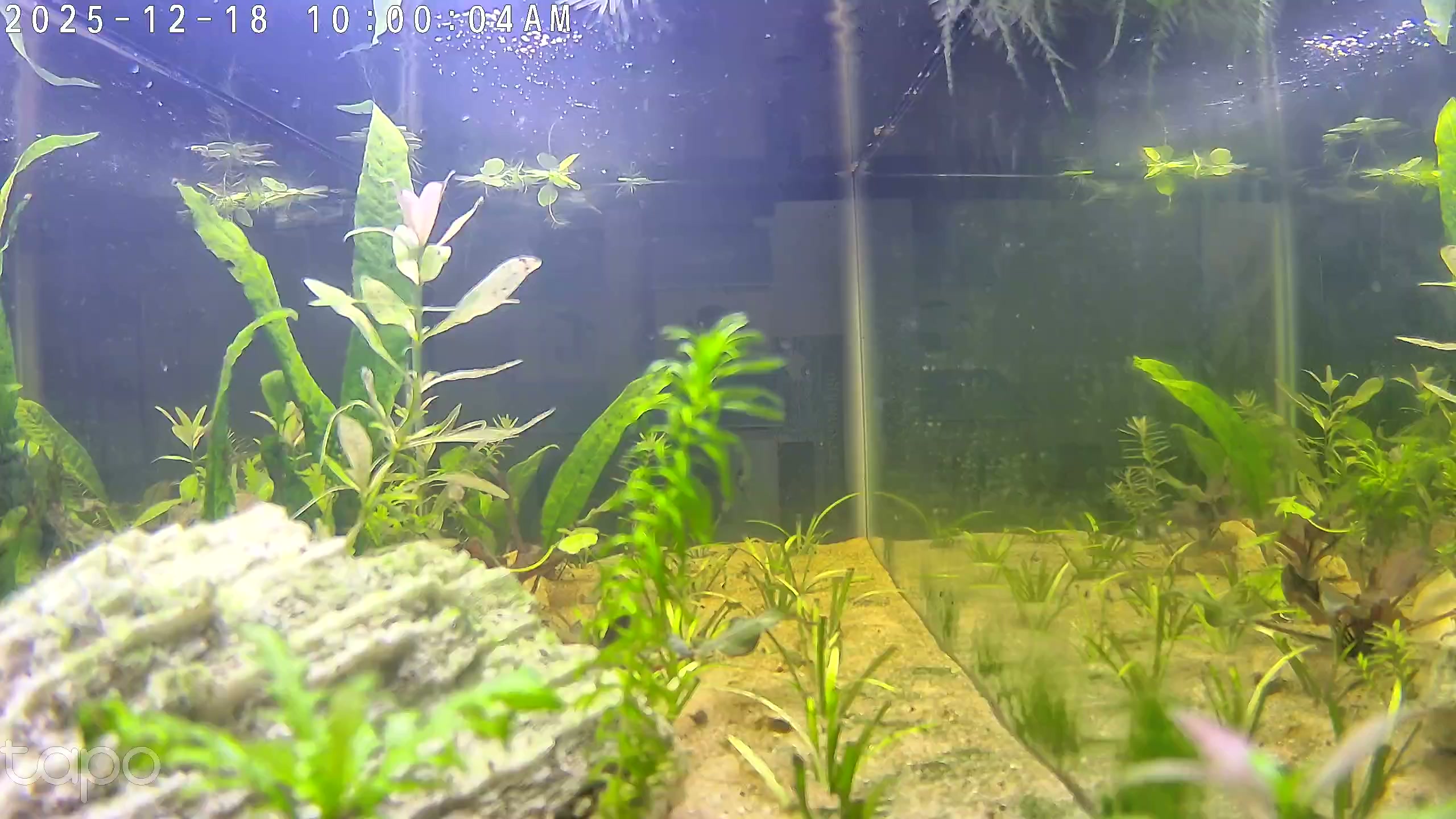
After 35 days, both ammonia and nitrite hit zero. The tank is officially cycled.
Test Results
| Parameter | Result | Trend |
|---|---|---|
| Ammonia | 0 ppm | DOWN from 0.25 |
| Nitrite | 0 ppm | DOWN from 0.5-1.0 |
| pH | 7.6 | Stable |
| Temperature | 75°F | Stable |
Both toxic parameters at zero. This is what we’ve been waiting for since November 13.
The Journey
Thirty-five days doesn’t sound long, but it felt longer:
- Days 3-12: The “silent cycle” phase—ammonia hovered at 0.25-0.5 ppm while plants did their thing
- Day 16: Nitrite peaked at 5.0 ppm (cue panic about snails)
- Days 16-29: The plateau that wouldn’t end—nine days stuck at 5.0 ppm, plus plant losses and replacement drama
- Day 33: Nitrite finally crashed to 0.5-1.0 ppm
- Day 35: Zero across the board
The Walstad method works. It just requires patience.
Tank Observations
Water looks clear. Plants are doing well—the replacement Hygrophila, Pennywort, and Water Lettuce have settled in nicely. Our snail cleanup crew is thriving: the three Nerites are grazing steadily, and we’ve got a healthy population of bladder snails plus a couple of ramshorns doing their part.
The Algae Problem
That green algae bloom from our Day 24 fertilizer incident hasn’t fully cleared. The snails are helping, but the algae keeps growing back. Time to attack from another angle: light management.
Enter the Siesta Schedule
Diana Walstad, the godmother of natural planted tanks, recommends a split photoperiod to combat algae while keeping plants happy. The concept is simple: give the tank a midday break.
Old schedule: 9:30 AM - 3:30 PM (6 hours continuous)
New schedule:
- Morning: 7:30 AM - 10:30 AM (3 hours)
- Siesta: 10:30 AM - 1:30 PM (3-hour break)
- Afternoon: 1:30 PM - 4:30 PM (3 hours)
Same total light hours (6), but split with a midday rest period.
Why This Works
Algae and plants respond differently to lighting patterns:
Algae struggles with interrupted light. It needs continuous photosynthesis to compete effectively. Breaking the light cycle disrupts its momentum.
Plants store energy and can resume photosynthesis after a break without losing efficiency. They actually get more out of split lighting in many cases.
The siesta also mimics natural conditions—cloudy midday periods, or the dappled light of a forest canopy overhead.
What We’re Watching
Over the next week or two, we’ll be looking for:
- Reduction in green algae growth rate
- Plants maintaining health (or improving)
- No negative effects on snail behavior
If this doesn’t work, we have other options: shorter total photoperiod, reduced light intensity, or more floating plants to shade the water column. But the siesta approach is low-risk and recommended by the experts.
Pre-Trip Status
We’re leaving for a two-week trip soon. The timing couldn’t be better:
- Cycle complete—no more daily parameter anxiety
- Siesta lighting programmed into the timer
- Snails have plenty of algae and biofilm to graze
- Plants are established and growing
- Heater will maintain temperature
The tank can take care of itself. When we return in early January, we’ll do one confirmation test and then start adding fish.
Status: CYCLE COMPLETE (Day 35) - Ammonia 0, Nitrite 0 - Siesta lighting implemented